
NASA’s Lunar Base project aims to establish a sustained human presence and an economy at the Moon’s South Pole. The plan is divided into three phases—robotic exploration, infrastructure deployment and the installation of habitable modules—culminating in a permanent city that will serve as a stepping stone for journeys to Mars, the agency explained last Friday in Washington.
Participants in the press conference included NASA Administrator Jared Isaacman; Lori Glaze, acting associate administrator and head of Exploration Systems Development Missions; and Spanish engineer Carlos García-Galán, director of the Lunar Base program.
García-Galán was appointed director of “Moon Base,” the program tasked with developing a permanent base on the lunar surface, at the end of March. His appointment came amid a major transformation of the Artemis program’s architecture, as NASA shifted its priorities toward establishing a sustained presence on the Moon.
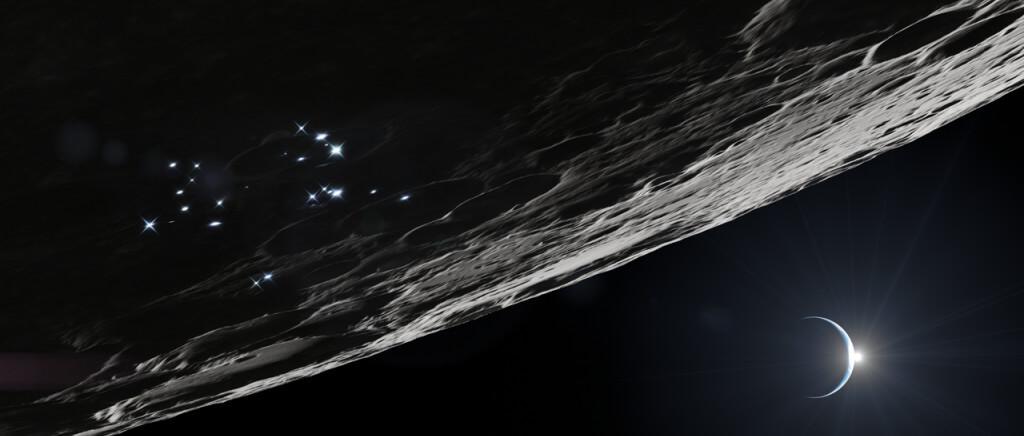
According to NASA, the future Lunar Base will be strategically located at the Moon’s South Pole, specifically near Shackleton Crater. Phase 1, currently underway and scheduled to continue through 2029, focuses on robotic missions to prepare the site. It includes the deployment of privately developed landers, exploration vehicles (rovers) and drones to investigate challenging areas.
Phase 2, scheduled for 2029 to 2032, will involve the arrival of the first habitable modules and nuclear and solar power systems, as well as the beginning of intermittent human stays. Finally, Phase 3, beginning in 2032, envisages the establishment of a continuous crewed presence, expansion of the base and development of a lunar economy encompassing mining, fuel production, manufacturing and tourism.
NASA’s Lunar Base plan calls for public-private collaboration. The agency is accelerating its plans through commercial agreements, including the historic privately funded Moon Base One mission, led by Blue Origin using its Mark One Endurance module.
The Lunar Base will extend across hundreds of square kilometers. The plan includes the use of pressurized vehicles that will allow astronauts to explore and work during short-duration expeditions. NASA is also examining the possibility of establishing facilities inside lunar caves to provide protection from radiation.
Source: Actualidad Aeroespacial