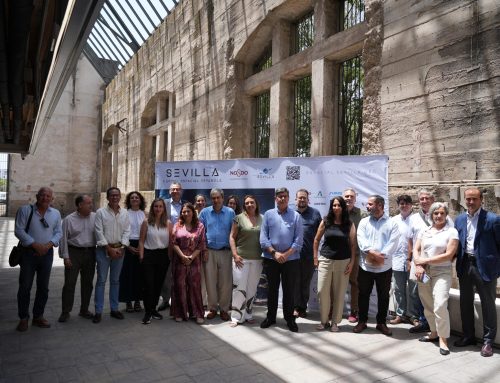

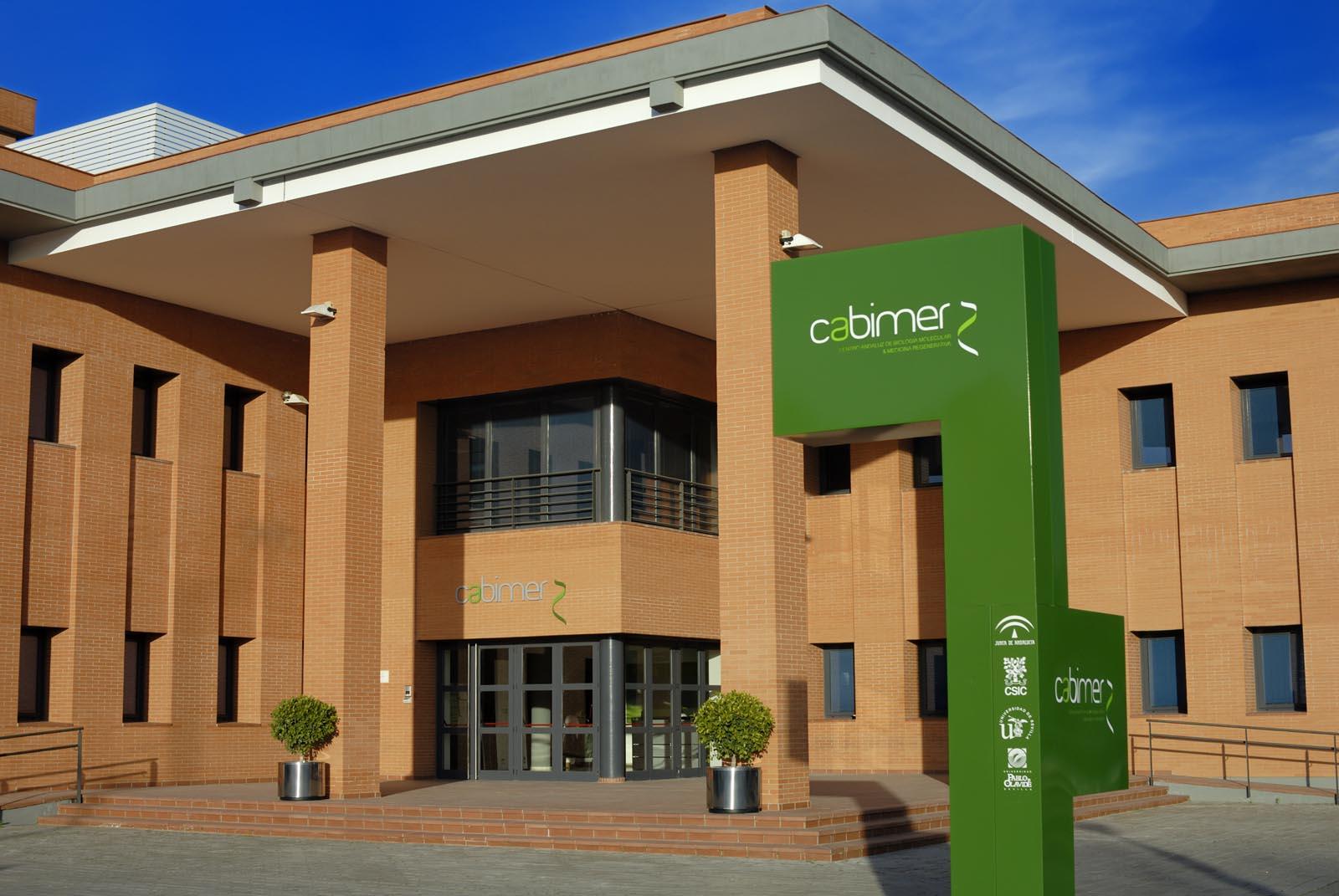
The Andalusian Center for Molecular Biology and Regenerative Medicine (CABIMER) has officially joined the Space Forum and the Sevilla Capital Espacial Española initiative, promoted by the Seville City Council. These initiatives bring together public administrations, research centers, universities, large technology companies, and startups linked to the space and scientific sectors.
With this incorporation, the Seville City Council takes another step toward its goal of positioning the city at the forefront of the space economy and scientific and technological innovation, strengthening connections between key disciplines such as biomedicine, engineering, space research, and technological development.
CABIMER will contribute its extensive research experience and technical capabilities to the ecosystem, while this alliance will open new avenues for collaboration with the companies and entities that form part of the Space Forum.
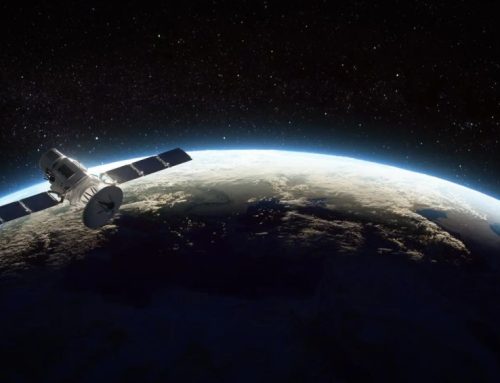
At CABIMER, researchers study what happens to the human body when it leaves Earth, as the lack of gravity and exposure to cosmic radiation in space can affect our cells and cause health problems. Through these studies, the center helps to understand these effects, anticipate risks, and develop ways to protect astronauts, while also generating valuable advances for medicine on Earth, such as improving treatments for neurodegenerative diseases or cancer.
Both parties will work in a coordinated manner to drive the city’s scientific and technological progress, generate collaboration opportunities between institutions, companies, and research centers, and promote knowledge transfer and the development of new technologies. In addition, CABIMER will take part in the activities, professional meetings, and events organized under the Sevilla Capital Espacial Española initiative and the Space Forum.
A key partner in Seville for space biology research
The Councillor for Economy, Álvaro Pimentel, welcomed CABIMER’s incorporation, noting that it represents “another step toward positioning our city at the forefront of the space economy and scientific and technological innovation, strengthening connections between key disciplines such as biomedicine, engineering, space research, and technological development.”
Pimentel also reaffirmed the municipal government’s commitment to “working in a coordinated manner to promote the city’s scientific and technological advancement, generate opportunities for collaboration between institutions, companies, and research centers, and foster knowledge transfer and the development of new technologies.”
Among CABIMER’s staff is David Pozo Pérez, Professor of Biochemistry and Molecular Biology and the only spanish person on the European Space Agency’s (ESA) panel of experts responsible for evaluating experiments carried out on the International Space Station (ISS), as well as on external infrastructures dedicated to the study of human biology in deep-space missions, including parabolic flights and extreme confinement facilities.
As David Pozo explains, his direct experience in the field of space biology allows him to recognize “the enormous technological potential and specialized knowledge that CABIMER possesses to develop experiments aimed at addressing the major challenges humanity will face during prolonged stays in deep space.”
“Joining this initiative of the Seville City Council represents a strategic alliance to place Sevillian science on the international map, strengthening collaboration between sectors that increasingly share technologies, methodologies, and common needs. Together with other research centers, we must build critical mass in these areas, where complementary profiles and research lines offer highly promising opportunities,” Pozo concluded.